|
Terrycloth Fabric – The Absorbent Comfy Fabric
Terrycloth fabric is known for its absorbency and for being a comfy homey fabric. Terrycloth fabric is made up of 100% cotton, some with a stretch base and some with a woven base, woven on either a jacquard or dobby loom. The weave is actually known as a pile weave.
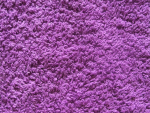
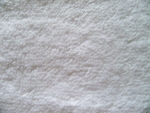
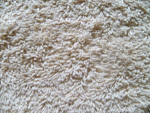
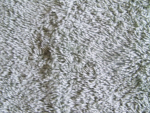
Fabric Characteristics:
• Easy to sew • Has a pile and may require a nap layout • Usually requires extra fabric for project construction • Some may be bulky • Shrinks and should be laundered before fabric cutting • Usually plush, soft and thick • Highly absorbent
Working With These Fabrics Requires:
• Sewing machine needles should be 80/12 or 90/12 universal needles • Hand sewing needles should be size 5-9 • Sewing machine stitch length recommended should be 3mm • Sewing machine foot recommended is the Teflon foot • Thread used should be all-purpose good quality cotton, polyester or cotton/polyester blend • Tools and equipment recommended is sharp scissors, sharp shears, rotary cutter and mat, washable glue stick, transparent tape and hand vacuum • Layout is without nap, double thickness • Marking tools recommended are fabric markers, adhesive dots and safety pins • Seams recommended are plain, double-ply, to name a few • Hems recommended are plain, machine blindstitch • Seam and hem finishes recommended are serged, zigzagged, multi-zigzagged, single or double-ply to name a few • Edge finishes recommended are smooth fabric facings, decorative facings, bindings, ribbings, casings, and bands • Closures recommended are buttons and machine buttonholes, loops, zippers, toggles, and ties • Pockets recommended are inseam and patch • Interfacings and linings are rarely used
These Fabrics Are Suitable For:
Terrycloth is suitable for beach jackets, robes, towels, casual garments such as t-tops, shorts, and slacks.
For information about the notions, tools, and equipment required to complete a sewing project, click here to view the sewing notions home page
For more information about this family of fabrics some great references are:
Claire Shaeffer’s Fabric Sewing Guide
More Fabric Savvy by Sandra Betzina
All About Cotton – Julie Parker’s Fabric Reference Series
For more interesting information about terrycloth fabric click here on Wikipedia.org
and click here on fabrics-manufacturers.com
To continue exploring information about fabrics follow the links below.
Tweed Fabric
|


