|
Polyester Fabric – The Most Popular Synthetic Fiber
Polyester fabric is made from what is considered the most popular of the synthetic fibers. Polyester fiber is another DuPont creation, introduced in 1951. Many of us remember the popularity of polyester from the 1970’s and the disco era. When I wasn’t wearing my favorite blue jeans, I was certainly a participant in the polyester craze. Yes, polyester was once a cult fabric. Polyester fabric is also produced from polyester fibers that are a by-product of petroleum.
Some popular labels of polyester are Dacron, Coolmax, ESP (no, not extra sensory perception), Microtherm, Polarguard, StretchAire, Fortrel, EcoSpun, and Sensura, these are all trade names of polyester.
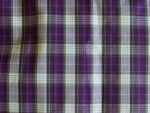
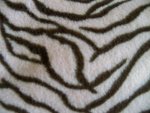
Fabric Characteristics:
• They have poor absorbency and may be difficult to wear • They are easier to sew after washing • They dull sewing needles and scissors quickly • They are difficult to ease • Skipped stitches and puckered seams are frequently a problem • They are difficult to press and easily damaged by a hot iron • They are crisp and resilient and resist wrinkling • They have good elasticity and recovery • They are easy to wash and require little or no ironing • They pill easily and attract lint • Wear and tear is evident at the folds of the garment and garment edges • Polyester is a little less elastic than nylon • The fabric retains static electricity and is easily stained by oils • Dust and smoke is retained by the fabric, so it requires washing more frequently • It can be permanently stained by fabric softener sheets
Working With These Fabrics Requires:
• Sewing machine needles recommended are 70/10-80/12 universal, sharps, and stretch depending on fabric structure and weight • Hand sewing needles recommended are sizes 5-10 • Sewing machine settings of a stitch length of 2 mm is recommended • Thread recommended is all-purpose polyester, cotton/polyester blend, and for top stitching, all-purpose, machine embroidery, and top stitching thread • Tools and equipment recommended are sharp scissors, sharp or stainless steel serrated shears, rotary cutter and mat, and pins • Marking tools recommended are all types except wax • Seams and hems depend on fabric transparency, structure, weight and garment quality, design, care and use • Seam and hem finishes recommended are all types • Interfacings, linings, and underlinings recommended depend on fabric transparency, structure, weight and garment quality, design, care and use • Edge finishings recommended are facings, bindings, bands, casings, and ribbings • Closures recommended are machine button holes, buttons and loops, decorative snaps, and lightweight zippers
These Fabrics Are Suitable For:
Since these fibers can be woven or knitted, polyester fabric is suitable for all types of garments, such as slacks, tops, dresses, casual sportswear, men’s clothing, kid’s clothing, rain coats, outerwear, and lingerie. They can also be suitable for drapery.
For information about the notions, tools, and equipment required to complete a sewing project, click here to view the sewing notions home page
For more information about this family of fabrics some great references are:
Claire Shaeffer’s Fabric Sewing Guide
For more interesting information about Polyester fabric click here on Wikipedia.org
To continue exploring information about fabrics follow the links below. Rayon Fabric
|


