|
Sewing Pressing Tools – The Secret To A Perfectly Finished Garment
Sewing pressing tools are the secret to a professional looking, perfectly finished garment. Without garment pressing, the finished project can look homemade. Nevertheless, pressing is often overlooked during the sewing project. In addition, pressing at each stage of the construction project, may seem time consuming and an unnecessary waste of time, but it is indeed essential to that look that we find in ready to wear.
It is helpful to get into the habit of pressing during the process. As a memory aide, the pressing equipment should be located near the area where sewing is taking place.
It should also be remembered that pressing is not the same as ironing. Ironing is the actual gliding over the garment with pressure. Pressing is moving over the garment in light spurts not allowing the iron to rest on the fabric continuously or for very long. Pressing should also be done with a pressing cloth or on the right side of the garment to prevent damage to the garment.
Sewing Pressing Tools - What Is Needed To Produce That Professional Look?
Iron
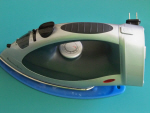
A good quality iron, particularly a steam iron is a must. The iron should have a wide range of temperatures to accommodate a wide range of fabrics.
Hot Iron Cleaner A great little tool for cleaning the gunk off of an iron is a liquid hot iron cleaner. The best thing about this cleaner is that it is used while the iron is hot, and it leaves no residue, and works better than some of the other methods that have been used to clean off the stuff that seems to stick to the iron. It makes the job of keeping a clean iron easier. 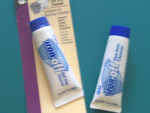
Ironing Board
The ironing board should have an adjustable height, have a suitable pad, such as cotton, not foam to absorb moisture and an iron rest, preferably of silicon should be added for the iron to rest on, if the ironing board does not have a built-in iron rest.
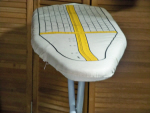
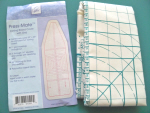
Special Ironing Board Covers There are even special ironing board covers that have grid markings on them to assist in measuring hems, bias, and quilting during the pressing process. They are by no means a necessity, but a nice little extra.
Pressing Cloth
A good pressing cloth made of muslin or silk organza is good for preventing damage to the fabric such as marking or burning the fabric during pressing. The cloth should be see through.
Tailor’s Ham
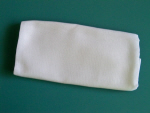
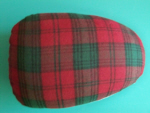
The tailor’s ham really does look like a ham, but is actually a cushion used for pressing darts and to help shape the curves of collars, shoulders and sleeve caps. The solid side is made of cotton and the plaid side is generally made of wool and stuffed with sawdust, which is what makes the ham firm.
Seam Roll
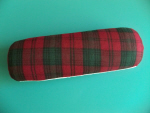
The seam roll is a cushion with a cylindrical shape used to press seams open. The seam roll has a solid color cotton side and a plaid side like the tailor’s ham. The bulk of the seam roll never touches the iron, which is part of its design, so that it is the seam that is touched for pressing.
For those that like to create their own sewing pressing tools click here for some instructions about how to create your own pressing tools Point Presser/Clapper
The point presser also called a clapper is a pressing tool made of hardwood and used for pressing open seams in corners and points. The tool helps to pound creases into a heavy fabric after steaming. The top of the tool is used to help press collar seams and points, thus achieving a flat finish and sharp edges.
Sleeve Board
The sleeve board resembles two small ironing boards attached on top of each other. This tool is used to press the seams and details of small or narrow areas such as sleeves, pants legs and necklines.
Special Sewing Pressing Tools to Consider
There are some special tools that the serious sewer might consider. These are not necessities, but pluses.
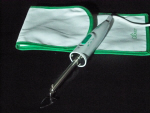
Mini Iron
One of these pluses is a mini iron that can allow the sewer to get into those small corners and can be used to press gathers more efficiently.
This tool is should be used with a pressing mat, which is a heat resistant small mat for pressing small items, and is like a small table top ironing surface.
Steam Generator Iron
A steam generator iron, also called a continuous steam iron has a large water tank that it attaches to through a long hose, and that is filled with water for a more continuous generation of steam than an ordinary iron, for often as long as 1 ½ to 2 hours.
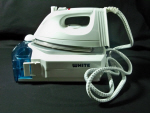
For more information about steam generator irons as sewing pressing tools click here on About.com Steam Press
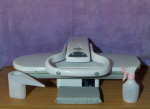
The steam press is a serious pressing tool for anyone who wants dry cleaners type quality pressed garments. This tool generates pressure and steam at the same time, and produces sharp creases in garments where they are needed.
Spray Starch Substitute
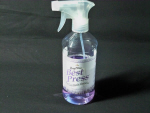
For those that do not like that white residue that spray starch can leave on a garment, a new invention is a starch substitute, that gives the garment that starched effect, but without the residue.
Some good sewing references for more information about sewing pressing tools are:
• The Complete Photo Guide to Sewing - revised and expanded edition by Singer
• The Sewing Book – by Alison Smith For additional information about pressing tools, click here on About.com and for more information about sewing pressing tools click here on SewingSupport.com
Trims and Tapes
|


