|
Acrylic Fabric – The Synthetic Fiber Wool and Cotton Substitute
Acrylic fabric is made from acrylic fiber as a wool substitute, and now a cotton substitute. Acrylic was introduced to the market in 1950. Acrylic fabric is soft and warm without being bulky, and can be knitted or woven. Acrylic is also considered a luxurious fabric since it simulates wool.
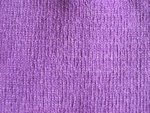
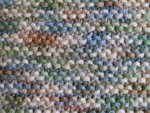
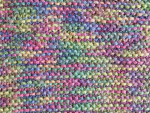
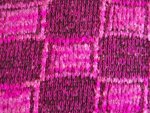
Fabric Characteristics:
• Comfortable to wear • Low moisture absorbency • These fabrics quickly dull needles and scissors • Skipped stitches and puckered are frequently a problem • Easily damaged by hot irons, steam, spinning in the washing machine, and hot dryers • Some shrink badly • Can pill • Holds static electricity • Can absorb and hold dust, smoke, pet hair and thus require frequent washing • Can absorb and hold perspiration odors
Working With These Fabrics Requires:
• Sewing machine needles recommended are sizes 70/10-80/12 universals, sharps and stretch needles depending on the fabric weight • Hand sewing needle sizes recommended are 5-10 • Sewing machine settings recommended are 2-2.5 mm • Thread recommended is all-purpose polyester, cotton/polyester blend and for topstitching all-purpose, machine embroidery and topstitching thread • Knit acrylics should have a nap layout and woven acrylics should have a single layer layout when matching fabrics • Tools and equipment recommended are sharp scissors, sharp shears, rotary cutter and mat, pins, and stabilizers • Marking tools recommended are all types except wax • Seams and hems depend on the fabric weight, garment type, garment structure and care • Seam and hem finishes all types are recommended • Edge finishes recommended are facings, bindings, bands, casings and ribbings • Interfacings, linings, and underlings recommended are dependent on the fabric weight, garment type, garment structure and care • Closures recommended are machine buttonholes, buttons and loops, decorative snaps and zippers These Fabrics Are Suitable For:
Acrylics are suitable for dresses, skirts, sportswear, skiwear, night wear, infant’s wear and children’s wear.
For information about the notions, tools, and equipment required to complete a sewing project, click here to view the sewing notions home page For more information about this family of fabrics some great references are:
Claire Shaeffer’s Fabric Sewing Guide For more interesting information about Acrylic fabric click here on fabrics-manufacturers.com
Activewear Fabric
|


